
Hearing Products
Hearing aid technology has come a long way, offering a range of solutions to help people hear better in their daily lives. Modern devices are designed to be discreet, effective and adaptable to different listening situations. The variety of options available means you can find hearing aids that match your specific needs, preferences and lifestyle, with features that can be adjusted to work best for you. At Professional Hearing Aid Center, our audiologists will guide you through understanding these options and helps you select devices that make sense for your situation. The process involves testing, fitting and ongoing adjustments to ensure your hearing aids deliver the results you need.
Hearing Technology
Modern Solutions For All Types of Hearing Loss
Modern hearing technology helps you hear clearly in both quiet and noisy environments. Choosing the right devices ensures your hearing support fits your daily life and makes listening easier.
Modern hearing aids offer a range of features to improve hearing in different environments, manage background noise and connect to devices. Choosing the right technology ensures your hearing support is tailored to your specific listening needs and routines.
More on Hearing Aid TechnologyAccessories for phones and other devices make it easier to stream calls, music or other audio directly to your hearing aids. They are designed to improve your experience with technology while keeping your hearing support effective and convenient.
More on Cell Phone Accessories for Hearing AidsHearing aids come in a variety of styles to meet different needs, preferences and levels of hearing loss. With options that fit in the ear, behind the ear or in custom shapes, you can find the style that best works for your daily life and comfort.
More on Hearing Aid Styles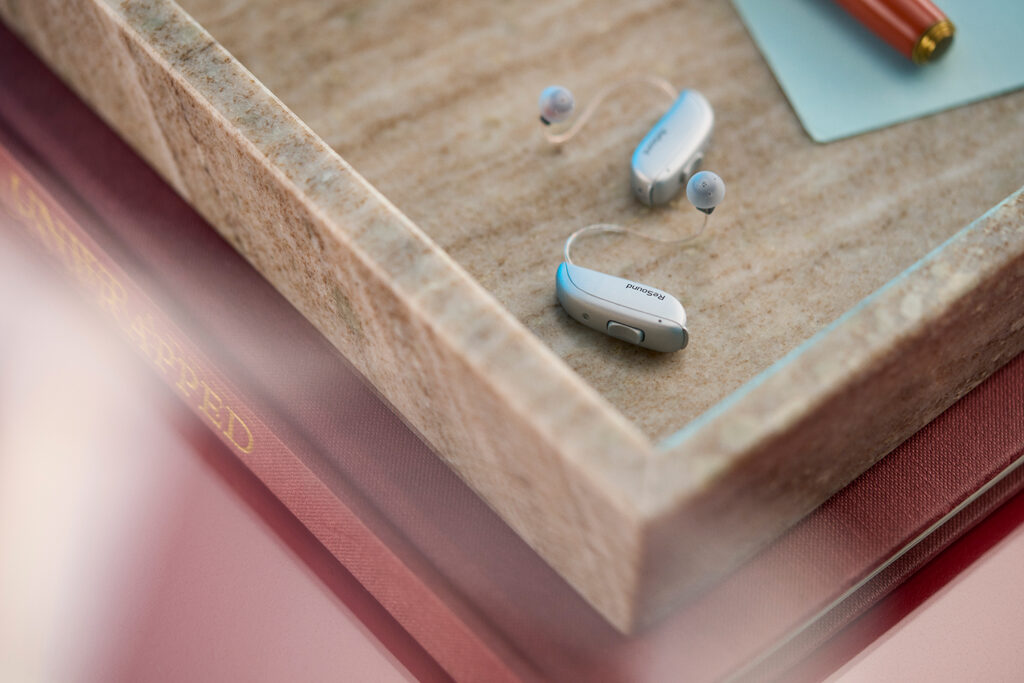
Hearing Product Guide
Curious About Hearing Technology, but Not Sure Where to Start?
With so many styles and options, it can be difficult to know which products will suit your needs. Our Consumer Guide to Hearing Aids provides an in-depth breakdown of the different types of hearing devices, as well as the technology available for all types of hearing loss.
Hearing Aid Manufacturers
Hearing Products Created by the Best in the Industry
Different hearing aid manufacturers have unique histories and approaches to developing hearing devices. Knowing what each company is known for can help you select a solution that matches your needs.

Oticon Hearing Aids & Accessories
Oticon is known for its long history of innovation in hearing care and commitment to helping people hear better in everyday situations. Their devices and accessories focus on improving communication and making daily listening easier.
View All Products
ReSound Hearing Aids & Accessories
Phonak has a strong reputation for developing hearing solutions that adapt to different environments and lifestyles. Their hearing aids and accessories are designed to provide clear sound and support a wide range of listening needs.
View All Products
Phonak Hearing Aids & Accessories
ReSound is recognized for advancing hearing aid technology and providing options that connect to mobile devices and other audio sources. Their focus is on helping people hear more clearly and manage daily listening challenges.
View All Products
Signia Hearing Aids & Accessories
Signia is known for producing innovative hearing solutions that address diverse hearing needs and preferences. Their hearing aids and accessories aim to provide effective support across a variety of everyday situations.
View All ProductsHearing Protection
Make Protection a Priority
Hearing protection prevents damage from loud sounds during work or recreation. Using these devices lets you enjoy activities safely while preserving your hearing.
Hearing protection helps prevent damage from loud environments, like concerts, power tools or machinery. They allow you to enjoy activities safely while keeping your hearing healthy over time.
More on Hearing Protection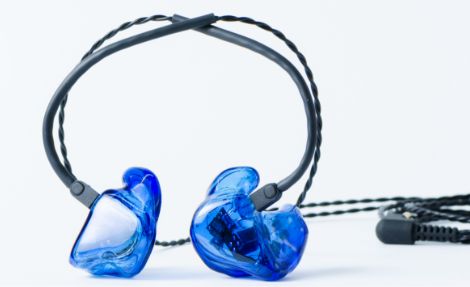
Assistive Listening Technology
Additional Tools to Support Clear Communication
Assistive listening devices make hearing in specific situations, like meetings or theaters, easier. They work alongside hearing aids to improve clarity and daily listening.